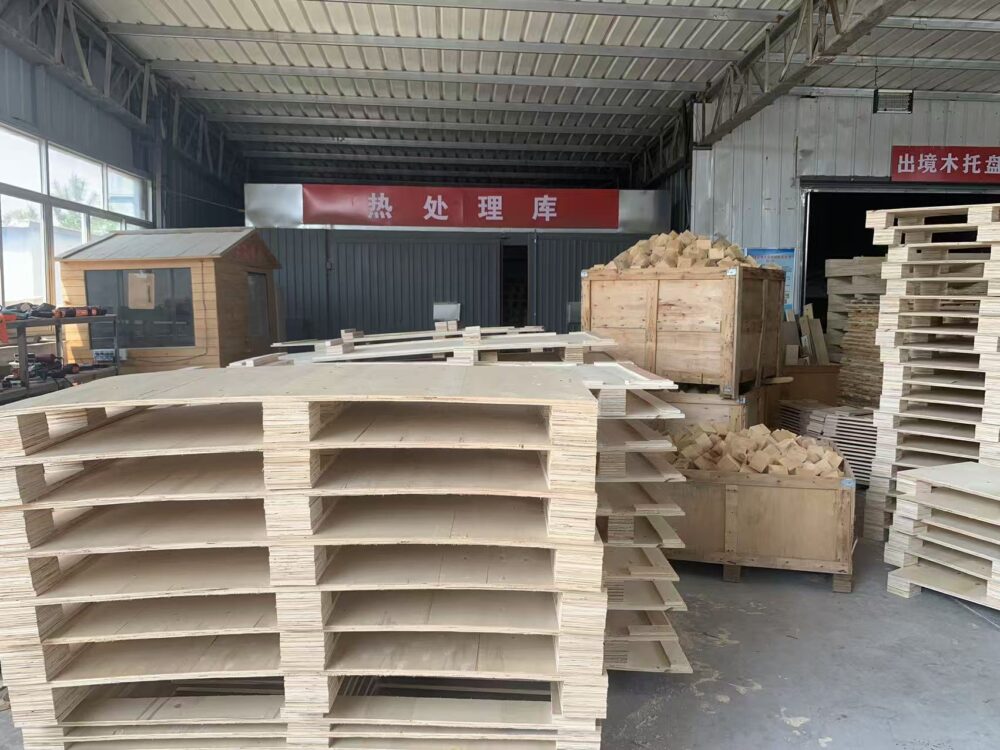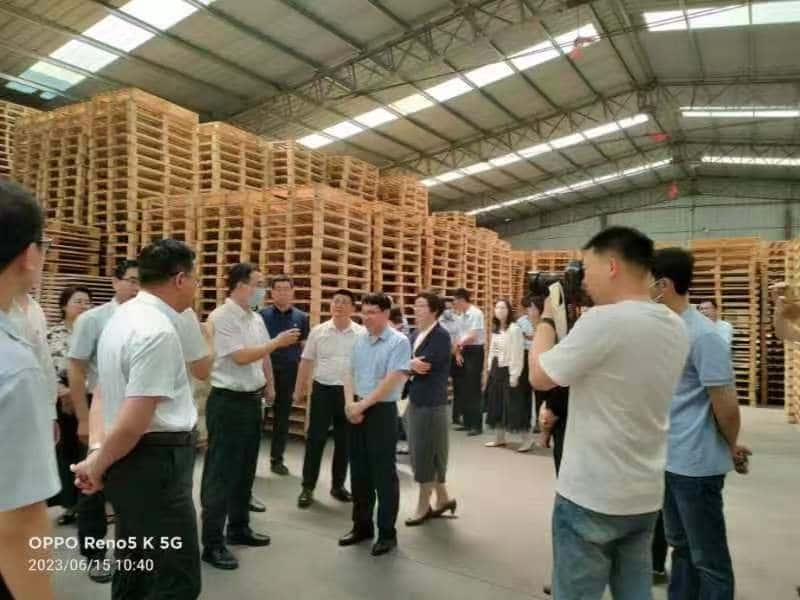
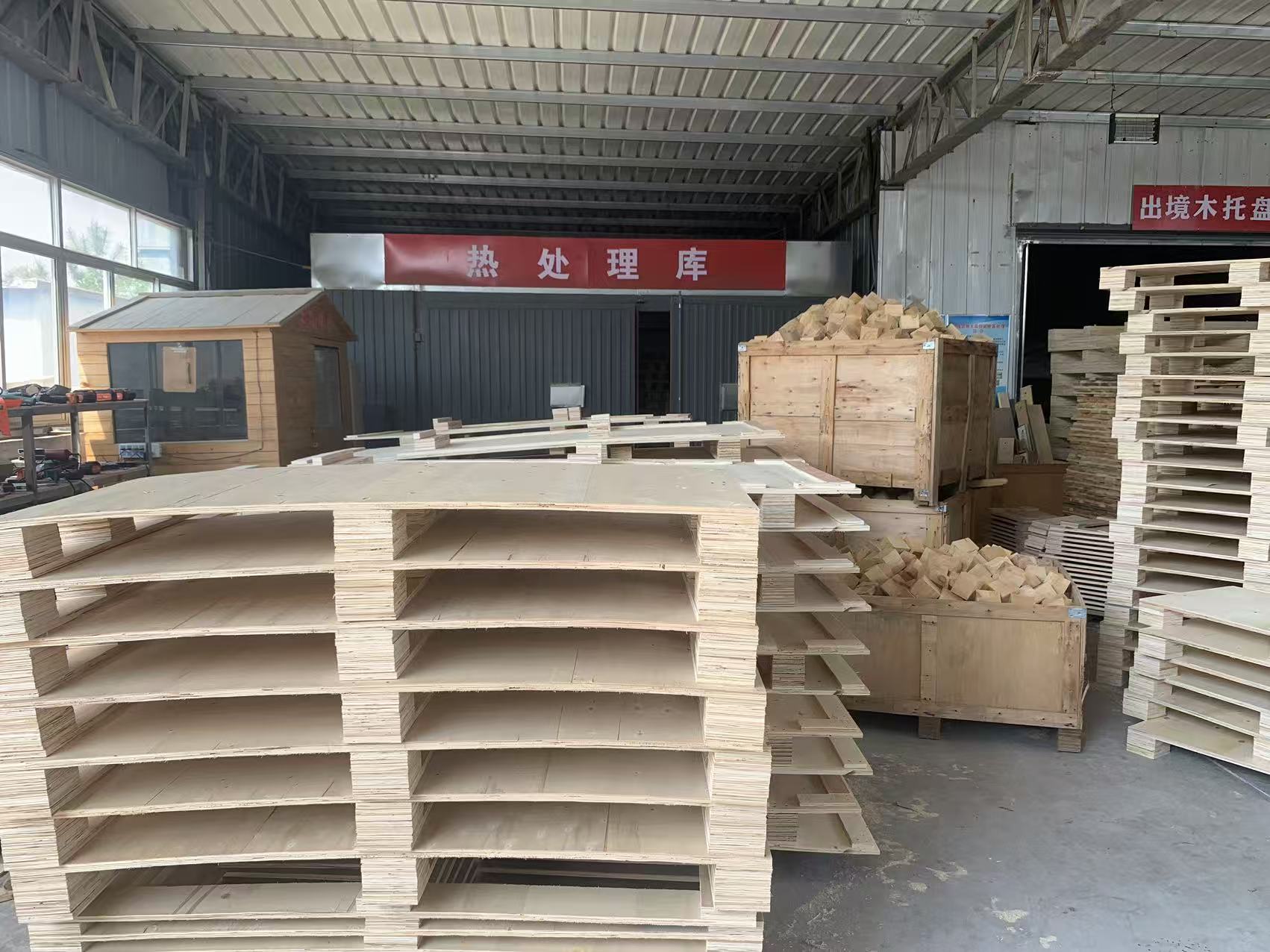
When shipping products internationally, one of the most critical yet often overlooked requirements involves your wooden packaging. Whether you’re exporting machinery, electronics, automotive parts, or industrial equipment, the pallets carrying your cargo may require specific phytosanitary certification. This comprehensive guide answers the fundamental question: does my wooden pallet need IPPC certification for export?
What is IPPC Certification and Why It Matters for Export
The International Plant Protection Convention (IPPC) is an international treaty administered by the Food and Agriculture Organization (FAO) of the United Nations. Established to prevent the spread of plant pests and diseases through international trade, the IPPC has been adopted by over 180 countries worldwide.
ISPM 15 is the specific International Standard for Phytosanitary Measures that governs wooden packaging materials used in international trade. This standard outlines the requirements for heat treatment or fumigation of wood packaging materials to eliminate pests that could threaten forestry and agricultural ecosystems.
When your goods cross international borders, customs authorities and plant protection agencies in the destination country will inspect your wooden packaging. If your pallets or crates lack proper certification, you face serious consequences:
- Cargo seizure and delays: Your shipment may be held at customs while authorities investigate
- Rejection and return: Non-compliant wood packaging can result in your entire shipment being sent back
- Financial penalties: Fines vary by country but can reach thousands of dollars
- Reputational damage: Repeated violations can flag your company for increased scrutiny
- Supply chain disruption: Delayed deliveries damage relationships with buyers and increase costs
Consider a real scenario: A US importer received a shipment of automotive parts on untreated wooden pallets from Asia. Upon inspection at Los Angeles port, USDA APHIS officers discovered the pallets lacked proper ISPM 15 marking. The result: $12,000 in re-treatment costs, three weeks of delays, and a formal warning that threatened future import privileges.
Understanding the IPPC Mark: Decode the Stamp
Every IPPC-certified wooden packaging item must bear a legible mark that communicates essential compliance information. Understanding this marking system protects you from non-compliant suppliers and ensures your shipments pass inspection.
Anatomy of the IPPC Mark
The IPPC mark consists of three mandatory components arranged in a specific format:
1. Country Code: A two-letter code identifying the country where the wood was processed (e.g., CN for China, DE for Germany, US for United States)
2. Producer Code: A unique alphanumeric code assigned by the national plant protection organization. This code identifies the specific facility that processed the wood packaging. For example, a Chinese producer might have code “42204”
3. Treatment Code: Indicates the treatment method applied:
– HT: Heat Treatment (temperature of at least 56°C for a minimum of 30 continuous minutes)
– DH: Dielectric Heating (alternative heat treatment method)
– MB: Methyl Bromide fumigation
Decoding “CN-42204 HT”
Let’s interpret this specific marking: CN-42204 HT
- CN: The wood was processed in China
- 42204: This is the unique producer registration number assigned to the processing facility by China’s National Forestry and Grassland Administration
- HT: The wood has been heat treated according to ISPM 15 requirements
This specific marking belongs to Rizhao Echon Wood Products Co.,Ltd, a certified manufacturer providing international-standard wood packaging solutions.
Heat Treatment (HT) vs. Methyl Bromide (MB)
While both methods are approved under ISPM 15, they differ significantly:
| Aspect | Heat Treatment (HT) | Methyl Bromide (MB) |
|---|---|---|
| Process | Sustained exposure to 56°C heat for 30+ minutes | Chemical fumigation in enclosed space |
| Effectiveness | Highly effective, consistent results | Variable effectiveness depending on application |
| Environmental impact | Minimal | Harmful to ozone layer |
| Residue | None | Chemical residue possible |
| Cost | Moderate, stable | Fluctuating, higher in some regions |
| Availability | Widely available | Being phased out in many countries |
Many countries, particularly within the European Union, increasingly prefer or require HT-treated wood packaging due to environmental concerns surrounding MB fumigation. Heat treatment is generally considered the more sustainable and reliable long-term solution.
Heat Treatment Requirements: 56°C for 30 Minutes
The ISPM 15 standard specifies precise thermal treatment parameters that must be strictly followed. Understanding these requirements helps you verify your supplier’s compliance.
The Science Behind the Standard
The 56°C/30 minute requirement wasn’t arbitrary. Scientific research established that this combination of temperature and duration reliably kills all life stages of wood-boring insects, including eggs, larvae, pupae, and adults. The temperature must reach the thermal death point for insects while being insufficient to damage the wood structural integrity.
Treatment Process Requirements
For compliant heat treatment, the following conditions must be met:
Core Temperature: Wood must reach and maintain a minimum core temperature of 56°C (132.8°F) throughout the entire piece of wood. This isn’t surface temperature—it must penetrate to the center of the thickest section.
Duration: The 56°C temperature must be maintained for a minimum of 30 continuous minutes. Partial or intermittent heating doesn’t comply.
Equipment: Treatment must occur in approved facilities using calibrated equipment that continuously monitors and records temperature throughout the process.
Moisture Content: While not explicitly part of the 56°C/30min requirement, treated wood should have moisture content at or below 20% to prevent fungal growth and ensure stability during transport.
What Heat Treatment Doesn’t Involve
Some exporters mistakenly believe heat treatment is simply kiln-drying. While kilns can be used for heat treatment, the processes differ:
- Kiln drying: Primarily removes moisture for wood stability and workability
- Heat treatment (ISPM 15): Specifically targets pest elimination with documented temperature monitoring
Legitimate IPPC-certified facilities maintain treatment records that document the complete heating cycle, including temperature probes at various points within the load and continuous chart recordings.
Do All Wooden Pallets Need IPPM 15 Certification?
Not all pallets require IPPC certification. The distinction depends on the materials used in construction.
Items Requiring IPPC Certification
The following wooden packaging materials require ISPM 15 compliance:
- Solid wood pallets: Made from logs cut into boards or blocks
- Wooden crates: Solid wood framing and panels
- Dunnage: Loose wood pieces used for cushioning and stabilization
- Cradles: Wooden supports shaped to hold specific cargo
- Pallet collars: Removable wooden sides for pallet boxes
- Wooden spacers: Wood pieces separating cargo layers
Items Exempt from IPPC Requirements
Manufactured wood products processed at temperatures exceeding wood’s decomposition threshold don’t require IPPC treatment:
- Plywood: Constructed from layered rotary-cut or sliced veneers bonded under heat and pressure
- Oriented Strand Board (OSB): Engineered panels from wood strands bonded at high temperature
- Particleboard: Made from wood particles bonded with adhesive under heat and pressure
- Medium-Density Fiberboard (MDF): Wood fibers bonded with resin under heat and pressure
- Veneer: Thin wood sheets sliced from logs, typically used in panel construction
These materials are manufactured at temperatures exceeding 133°F (56°C), which eliminates any pests present in the raw materials.
Country-Specific Variations
While ISPM 15 provides the baseline standard, certain countries impose additional requirements:
European Union: Requires standard ISPM 15 compliance but prohibits Methyl Bromide treatment. All wood packaging entering the EU must be heat treated (HT or DH). Additionally, the EU may require phytosanitary certificates for certain commodities.
United States: Follows standard ISPM 15 requirements, enforced by USDA Animal and Plant Health Inspection Service (APHIS). Methyl Bromide treatment is permitted but increasingly restricted.
Australia: Maintains strict interpretation of ISPM 15 with particularly stringent bark-free requirements. The Department of Agriculture may require additional treatments.
New Zealand: Similar to Australia, requires bark-free wood with thorough inspection upon arrival.
China: As a major wood packaging manufacturer, China enforces IPPC certification through CN代码 (CN codes) like CN-42204 HT. Chinese manufacturers must register with the National Forestry and Grassland Administration.
How to Verify IPPC Compliance
Protecting your supply chain from non-compliant wood packaging requires proactive verification measures.
Visual Inspection Checklist
Before accepting wood packaging, conduct these visual checks:
- Mark presence: Confirm the IPPC mark appears on at least two opposite sides of the pallet
- Mark legibility: The stamp should be clear, not faded or partially visible
- Mark completeness: Verify all three elements (country code, producer code, treatment code) are present
- No bark presence: Bark indicates the wood may not have been properly processed
- No visible insect damage: Look for exit holes, frass (sawdust), or galleries carved in wood
- No fungal damage: Discoloration, soft spots, or mushroom odor suggests wood degradation
Supplier Verification
Beyond visual inspection, verify supplier credentials:
Request documentation:
– IPPC certificate (typically valid for 3 years)
– Treatment records for specific shipments
– Quality control logs
Verify the certificate:
– Check the producer code format matches the country
– Contact the national plant protection organization if needed
– Confirm the certificate hasn’t expired
Audit the facility: For significant volume commitments, consider visiting the manufacturing facility to observe treatment processes firsthand.
Common Fraud Indicators
Be alert to these warning signs:
- Prices significantly below market rates (cost-cutting often means skipped treatments)
- Incomplete or inconsistent marking (different pallets with different codes)
- Supplier reluctance to provide documentation
- Pressure to accept delivery before documentation arrives
- Markings that appear freshly stamped on older-looking pallets
Legitimate suppliers understand compliance importance and welcome verification efforts.
Common Mistakes Exporters Make with Wood Packaging
Even experienced exporters encounter wood packaging compliance issues. Learn from these common mistakes:
Mistake 1: Assuming All Pallets Are Pre-Certified
Never assume newly purchased pallets are automatically IPPC-compliant. Always verify marking and documentation. Even pallets purchased from industrial suppliers may lack proper treatment.
Mistake 2: Mixing Treated and Untreated Wood
When building custom packaging, never combine IPPC-certified components with untreated lumber. If you cut or modify certified pallets, the resulting pieces may no longer comply. Either:
- Use only pre-certified materials for modifications
- Arrange for re-treatment of modified pieces
Mistake 3: Ignoring Certificate Expiration
IPPC certificates typically expire after three years. Manufacturers must recertify their facilities and update their marking codes. Expired certificates indicate the facility may no longer meet current standards.
Mistake 4: Improper Storage After Treatment
Heat-treated wood can become re-infested if stored in areas with pest populations. Maintain treated wood in clean, elevated storage areas away from untreated wood and potential pest sources.
Mistake 5: Overlooking Repair Scenarios
Repaired pallets may replace damaged boards with untreated wood. Always verify that repair components meet the same standards as original construction.
Mistake 6: Neglecting Destination Country Requirements
Assuming ISPM 15 compliance is sufficient for all countries leads to violations. Research destination requirements, particularly for Australia, New Zealand, and European Union countries with stricter standards.
Choosing the Right IPPC-Certified Pallet Supplier
Selecting the appropriate wood packaging supplier protects your supply chain and ensures consistent compliance.
Key Selection Criteria
Certification Status
Verify current IPPC certification with valid documentation. Request copies of certificates and verify the producer code format. For Chinese suppliers, look for proper CN-XXXXX format with the XX indicating the provincial code.
Production Capacity
Assess whether the supplier can meet your volume requirements consistently. Seasonal demand spikes shouldn’t leave you scrambling for compliant packaging.
Custom Capabilities
Standard pallets don’t fit every application. Evaluate the supplier’s ability to:
- Produce non-standard dimensions
- Handle special treatment requirements
- Accommodate rush orders
- Provide complete documentation packages
Quality Consistency
Request samples from multiple production runs. Consistency indicates proper process control and treatment verification.
Communication and Service
Export logistics involve complex coordination. Choose suppliers responsive to inquiries and proactive about potential issues.
Rizhao Echon Wood Products Co.,Ltd: A Certified Partner
Rizhao Echon Wood Products Co.,Ltd exemplifies the qualities exporters should seek:
- Valid IPPC Certification: Bearing the CN-42204 HT marking, the facility meets ISPM 15 standards
- Complete Product Range: From standard pallets to custom heavy-duty crates
- Quality Assurance: Documented treatment processes with verifiable records
- Export Experience: Understanding of international requirements across multiple markets
When evaluating wood packaging suppliers, request samples, verify certifications, and confirm production capabilities before committing to volume orders.
Conclusion
Related: IPPC markings explained
Related: heat treatment vs methyl bromide
Related: ISPM 15 compliance checklist
IPPC certification for wooden pallets isn’t optional bureaucratic paperwork—it’s essential protection for global agricultural ecosystems and your own supply chain. Understanding the requirements, verifying supplier compliance, and selecting experienced partners prevents costly disruptions.
The key takeaways:
- ISPM 15 applies to solid wood packaging in international trade, covering over 180 countries
- Heat treatment at 56°C for 30 minutes is the primary approved method
- The IPPC mark communicates certification status—verify all three components
- Not all pallets require certification—manufactured wood products (plywood, OSB) are exempt
- Country-specific requirements may exceed ISPM 15 baseline standards
- Proactive verification protects against non-compliant suppliers
- Proper storage and handling maintains certification validity
Don’t let wood packaging compliance become your export weakest link. Partner with certified suppliers, implement verification procedures, and ensure every shipment crosses borders with confidence.
For IPPC-certified wood packaging solutions, contact Rizhao Echon Wood Products Co.,Ltd at
Frequently Asked Questions
Do I need IPPC certification for wooden pallets when exporting?
What does the IPPC mark ‘CN-42204 HT’ mean?
What are the heat treatment requirements under ISPM 15?
What happens if my wood packaging lacks IPPC certification?
jason@easywoodpack.com or visit www.easywoodpack.com