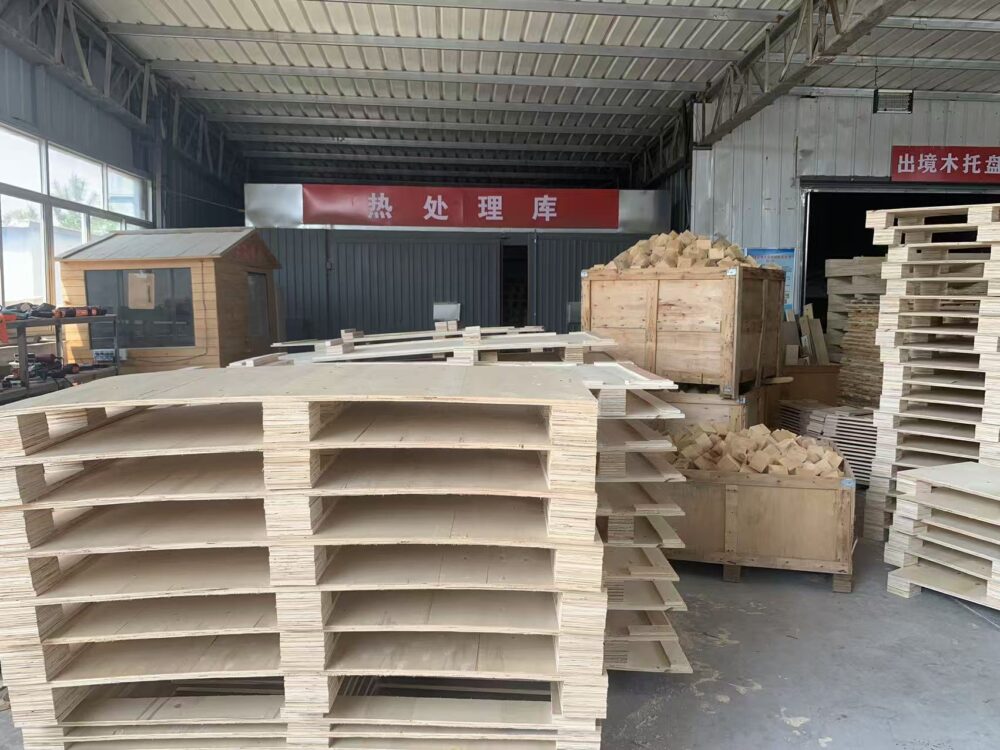
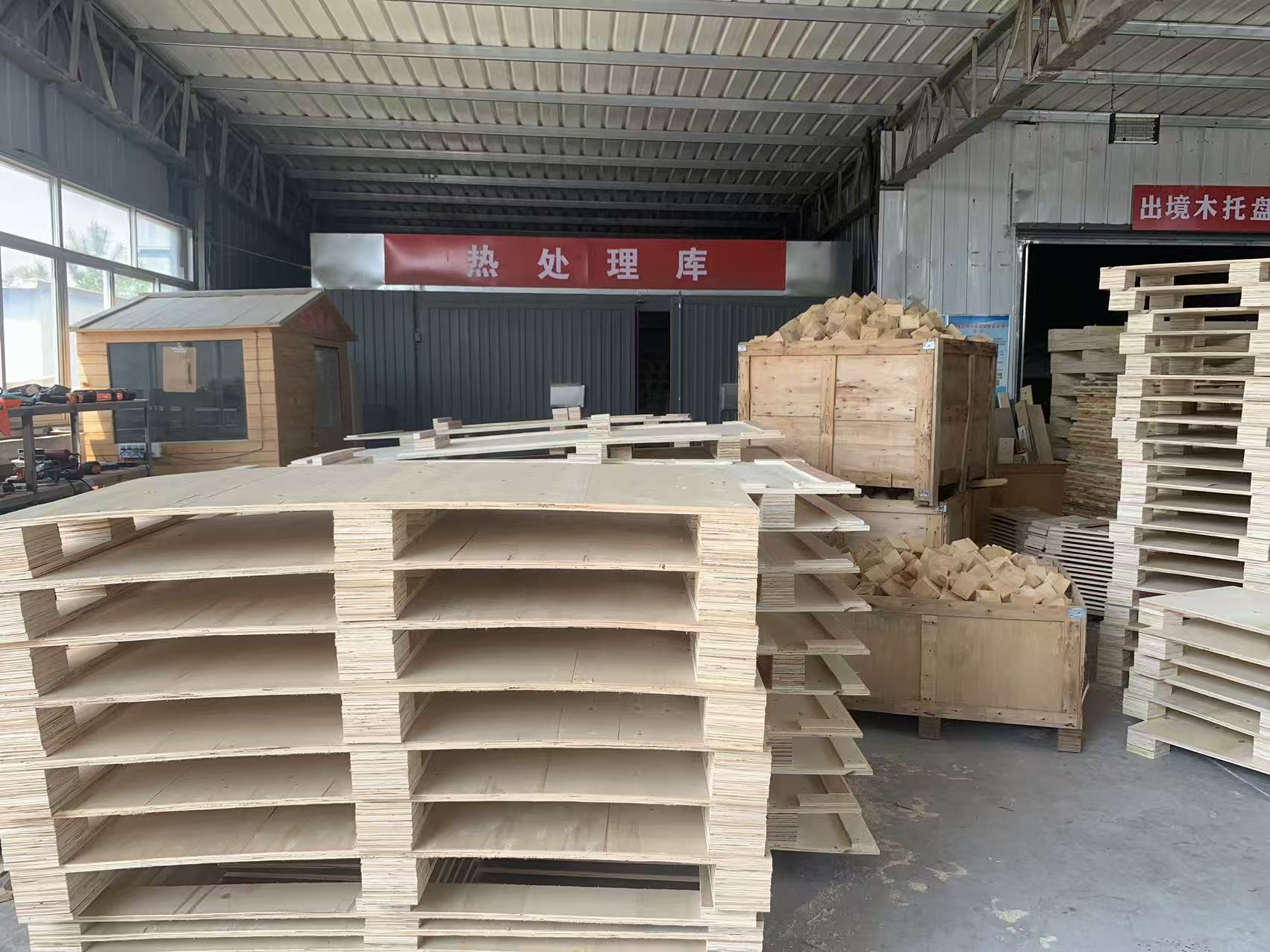
If you’re sourcing wooden pallets or crates for export, you’ve seen the ISPM 15 stamp — that small mark that means “this wood packaging is safe for international shipping.” But do you know what actually happens inside a heat treatment room?
Many buyers don’t. And that’s a problem, because not all ISPM 15 certificates are created equal. Some suppliers outsource treatment. Some cut corners on temperature or duration. Here’s what the real process looks like — from inside our factory in Rizhao, China.
What ISPM 15 Heat Treatment Actually Requires
The standard is simple on paper: wood must be heated to a minimum core temperature of 56°C for at least 30 continuous minutes. That’s it. But the gap between “on paper” and “in practice” is where quality diverges.
Our Process, Step by Step
1. Moisture content check before treatment. Wood that’s too wet takes longer to reach core temperature. We measure every batch with pin-type moisture meters. If moisture exceeds 20%, we pre-dry — because rushing this step means the core might not hit 56°C even if the chamber temperature does.
2. Loading the chamber properly. Pallets and crates are stacked with spacing between layers so hot air circulates evenly. Overpacking = cold spots = failed treatment.
3. Real-time core temperature monitoring. We insert probe thermocouples into the thickest pieces and monitor core temperature on a digital display. The 30-minute clock only starts when the core — not the air — hits 56°C.
4. Treatment record and stamping. Every treated batch gets a record: date, time, temperature log, and operator signature. Then the ISPM 15 stamp goes on — with our registration number CN-42204 HT.
Red Flags When Evaluating a Supplier’s ISPM 15 Process
- No heat treatment room on-site. If they can’t show you their chamber, they’re outsourcing — and you lose control over quality and timing.
- No temperature logs. A certificate without data is just paper.
- Treatment done “off-site.” This adds days to lead time and increases the risk of re-infestation during transport.
- MB (Methyl Bromide) fumigation instead of HT. Many countries restrict or ban MB. Heat treatment is the safer, more widely accepted method.
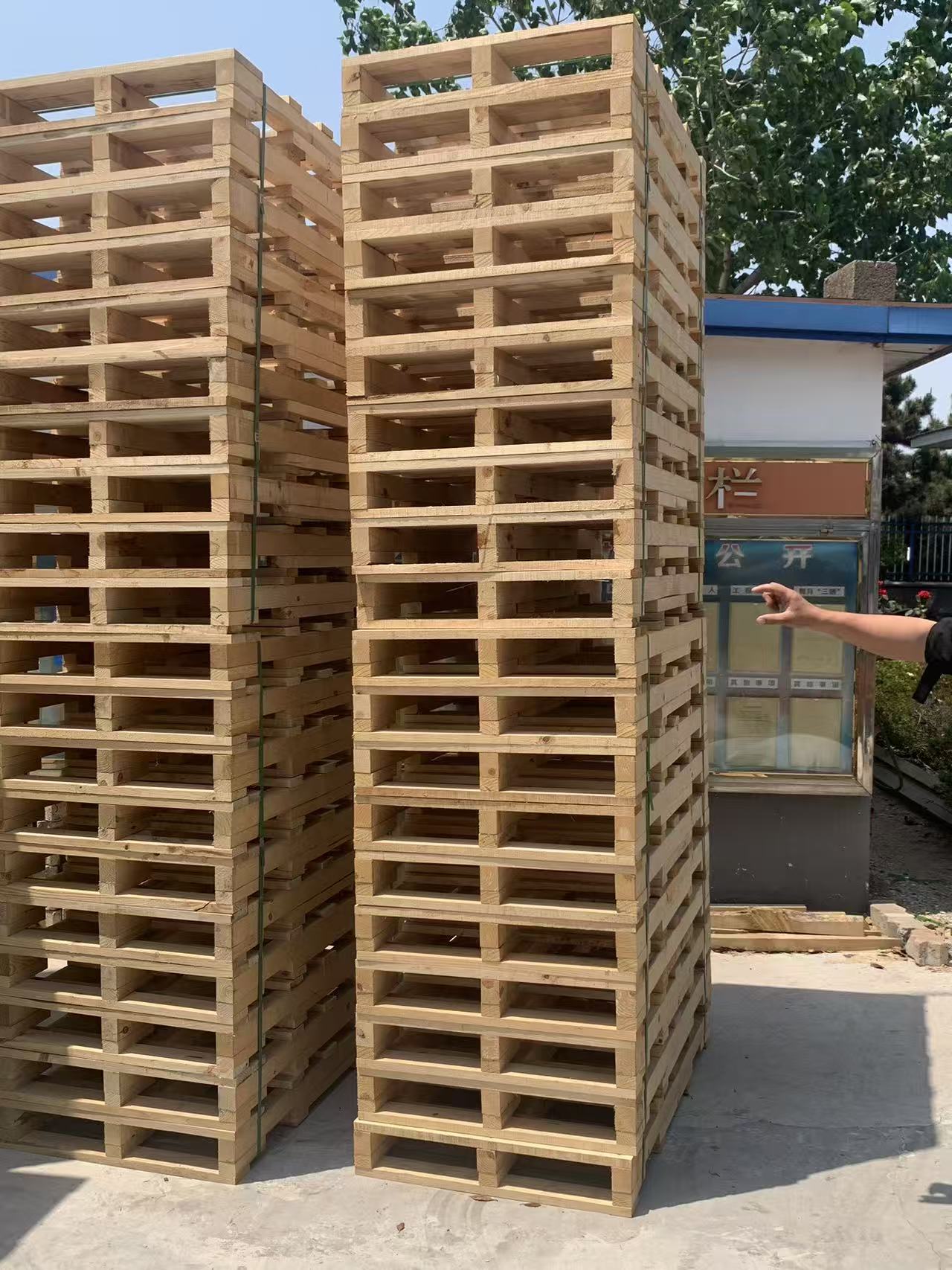
Why It Matters for Your Supply Chain
A failed ISPM 15 inspection at the destination port means re-treatment, delays, demurrage charges, or even rejection of the entire shipment. That’s not a risk worth taking to save a few cents per pallet.
At Rizhao Echon, we own our heat treatment chamber, run it daily, and keep full records. When you order from us, you’re not gambling on compliance — you’re getting it right the first time.
Need ISPM 15 compliant pallets or crates with documentation? Contact us — we’ll send you our treatment records and certification before you place an order.