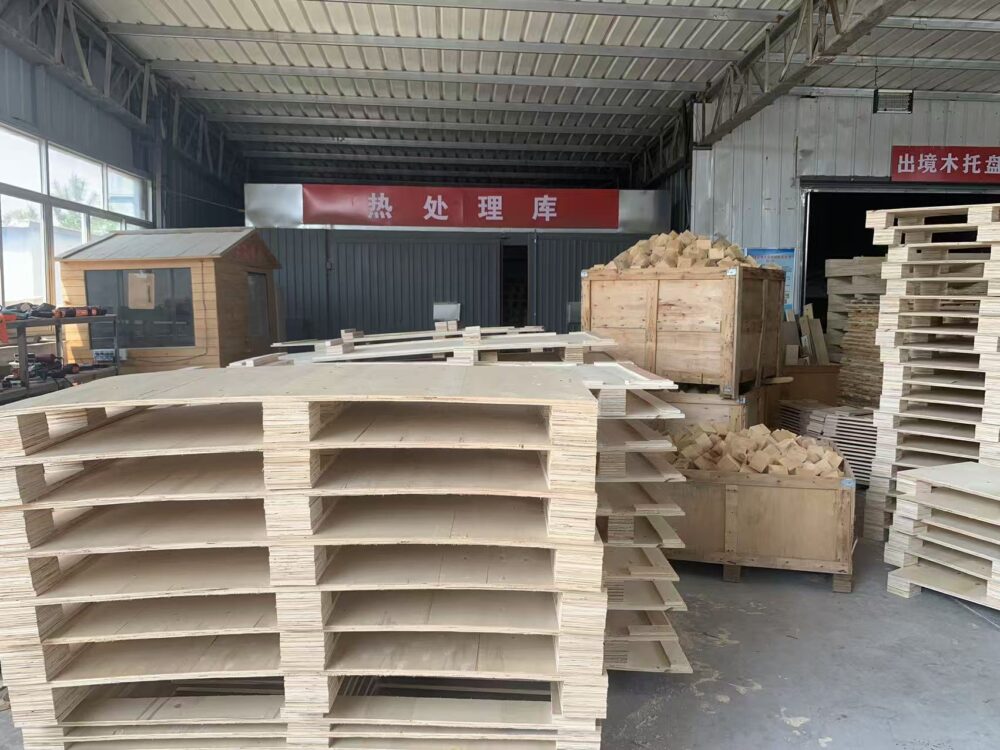
Medical equipment represents some of the most valuable, sensitive, and critically important cargo in international trade. Whether you’re exporting diagnostic imaging systems, surgical robots, laboratory analyzers, or patient monitoring devices, the packaging must provide exceptional protection while meeting stringent regulatory requirements.
This comprehensive guide covers everything you need to know about packaging medical equipment in wooden boxes for international shipping—from regulatory compliance to technical protection specifications.
Why Medical Equipment Requires Special Packaging
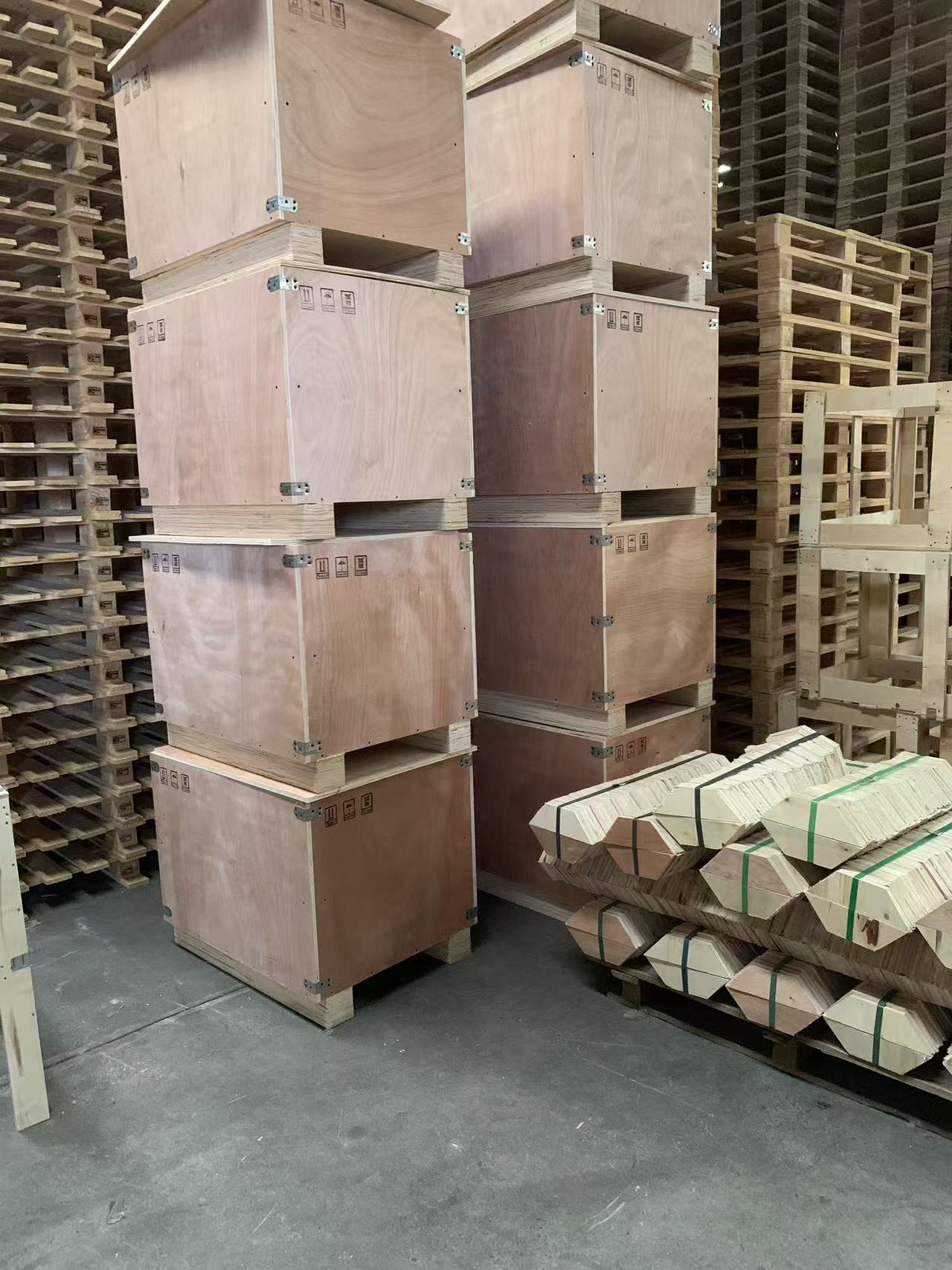
Medical devices differ from standard cargo in several critical dimensions:
Value: A single piece of medical equipment can be worth millions of dollars. Packaging failure translates to enormous financial losses.
Precision: Surgical robots, imaging systems, and diagnostic devices contain precision components calibrated to fractions of millimeters. Vibration, shock, or misalignment during transport can compromise calibration.
Sterility requirements: Many medical devices must maintain specific cleanliness levels. Packaging must prevent contamination from dust, moisture, and biological agents.
Regulatory scrutiny: Medical devices are subject to intense regulatory oversight in both origin and destination countries. Packaging non-compliance can delay shipments for months.
Patient safety implications: Equipment that arrives damaged or with compromised calibration may endanger patients. Proper packaging is a patient safety issue, not just a logistics concern.
ISPM 15 Compliance: Mandatory for Wooden Packaging
The Regulatory Framework
Under ISPM 15 (International Standards for Phytosanitary Measures No. 15), all solid wood packaging materials used in international trade must undergo approved phytosanitary treatment. This requirement applies to:
- Wooden crates and boxes
- Pallets and skids
- Dunnage and bracing
- Any other wooden packaging components
Medical equipment exporters cannot use untreated wooden packaging regardless of how carefully they protect their cargo. The phytosanitary regulations exist to prevent invasive pests from spreading through international trade—and they’re non-negotiable at most borders.
Heat Treatment: The Preferred Method
Heat treatment (HT) is the preferred ISPM 15 treatment method for medical equipment packaging because:
- No chemical residues: Unlike methyl bromide fumigation, heat treatment leaves no chemical traces that could compromise sterile environments
- Universal acceptance: Heat-treated wood packaging is accepted in all ISPM 15-participating countries, including the EU, Australia, and New Zealand
- Documentation clarity: IPPC marks clearly identify heat-treated materials with the “HT” designation
Sourcing Compliant Wood Packaging
When sourcing wooden boxes for medical equipment, verify:
- IPPC certification: The manufacturer must hold active IPPC certification (e.g., Rizhao Echon Wood Products Co.,Ltd with certification CN-42204 HT)
- Marking compliance: Every wooden component should bear the proper IPPC mark
- Treatment documentation: Request certificates proving heat treatment for each shipment
- Chain of custody: Documentation should trace from treatment facility to your packaging line
Protection Requirements for Medical Devices
Shock and Vibration Protection
Medical equipment contains sensitive components susceptible to shock damage:
Acceleration limits: Most medical devices specify maximum acceleration limits during transport, typically 3G to 5G for sensitive equipment. Your packaging must limit deceleration forces to acceptable levels.
Vibration isolation: Rotating components (fans, pumps, motors) require vibration isolation to prevent resonance damage during shipping.
Recommended protective materials:
| Material | Application | Shock Absorption |
|---|---|---|
| EPE foam (Expanded Polyethylene) | Contoured fits for electronics | Excellent |
| EPP foam (Expanded Polypropylene) | Heavy components | Very Good |
| PU foam (Polyurethane) | General cushioning | Good |
| Air cushioning | Light items, fill voids | Good |
| Honeycomb cardboard | Lightweight protection | Moderate |
Best practice: Create custom foam inserts precisely matched to your equipment’s geometry. Custom inserts prevent equipment movement within the crate while distributing shock loads across the structure.
Moisture Control
Moisture poses multiple threats to medical equipment:
- Corrosion: Metal components rust, compromising functionality and aesthetics
- Electrical failure: Moisture shorts circuits and degrades insulation
- Biological growth: Fungi and bacteria compromise sterility
- Label damage: Legibility of critical labels, warnings, and serial numbers can be lost
Moisture protection strategies:
VCI (Vapor Corrosion Inhibitor) packaging: VCI emit protective molecules that deposit on metal surfaces, preventing corrosion even when moisture is present. Place VCI bags, papers, or emitters inside sealed equipment enclosures.
Desiccants: Silica gel or clay desiccants absorb moisture inside sealed packaging. Use appropriately sized desiccant quantities based on packaging volume and expected humidity exposure.
Moisture barrier bags: For sensitive electronics, sealed moisture barrier bags with desiccant provide maximum protection. Heat-sealed bags with moisture indicators allow verification of seal integrity.
Wood moisture content: Use kiln-dried wood with moisture content below 20% for crate construction. Lower moisture content reduces humidity inside the crate and prevents wood rot.
Temperature Considerations
Some medical equipment requires temperature-controlled transport:
Standard guideline: Most medical equipment specifies transport temperature ranges of 10°C to 40°C (50°F to 104°F). Extended exposure outside these limits may cause damage.
Extreme climate routes: Shipments through tropical ports or during summer/winter seasons face temperature extremes:
- Hot climates: White or reflective exterior paint reflects sunlight; ventilation holes prevent heat buildup
- Cold climates: Insulated packaging prevents freezing of temperature-sensitive components
Temperature monitoring: For high-value shipments, consider temperature data loggers that record conditions throughout transit. This documentation proves compliance with handling requirements and helps diagnose any damage.
Vacuum Packaging for Medical Equipment
Vacuum packaging offers enhanced protection for certain medical devices:
Benefits of Vacuum Packaging
- Moisture exclusion: Complete seal prevents any moisture ingress
- Contamination prevention: Airtight barrier keeps out dust, insects, and biological contaminants
- Space efficiency: Compression reduces package volume
- Tamper evidence: Seal integrity is visually verifiable
Vacuum Packaging Considerations
- Not all equipment suits vacuum: Devices with flexible components, pneumatic systems, or sealed fluid reservoirs may be damaged by vacuum pressure
- Supplementary cushioning: Even in vacuum packaging, internal components require shock protection
- Professional application: Vacuum packaging should be performed by experienced technicians to avoid equipment damage
Hybrid Approaches
Consider combining packaging methods:
- Inner vacuum seal: Primary moisture and contamination barrier around equipment
- Foam cushioning layer: Shock and vibration absorption between vacuum-sealed unit and outer crate
- ISPM 15-compliant wooden crate: Outer structure meeting international wood packaging regulations
- External protection: Waterproof crate coating and pallet base for handling
ISO 11607 and Medical Packaging Standards
Medical device packaging is governed by ISO 11607 (Packaging for Terminally Sterilized Medical Devices), which establishes requirements for:
Materials and Design
- Microbial barrier properties: Packaging must prevent microbial penetration while allowing sterilant penetration and removal
- Compatibility with sterilization methods: Materials must withstand intended sterilization processes (ethylene oxide, steam, radiation)
- Physical protection: Adequate mechanical strength for handling, transport, and storage
Validation Requirements
- Package integrity testing: Verification that seals and closures maintain barrier properties
- Aging studies: Evidence that packaging maintains performance throughout shelf life
- Transit simulation testing: Packages must survive expected distribution conditions
While ISO 11607 primarily addresses final medical device packaging (the sterile barrier system closest to the device), its principles inform all packaging decisions for medical equipment.
Document Requirements for Medical Equipment Exports
Export Documentation
- Commercial invoice: Detailed value declaration including HS codes
- Packing list: Comprehensive itemization of contents
- Certificate of origin: Required by many importing countries
- Export license: May be required depending on equipment type and destination
Medical Device Documentation
- Device classification: Export documentation should include medical device classification per destination country regulations
- Manufacturer declarations: Certifications that equipment meets relevant standards (CE marking for EU, FDA clearance for US)
- Sterilization records: If applicable, documentation of sterilization method and date
- Handling instructions: Special requirements for unpackaging, installation, or calibration
Wood Packaging Declaration
ISPM 15 compliance requires:
- IPPC marking: Present on all wooden packaging components
- Phytosanitary certificate: May be required by destination country (check specific requirements)
- Statement of compliance: Some countries require written confirmation of ISPM 15 compliance
Case Framework: Structuring Your Medical Equipment Shipment
While specific equipment requirements vary, here’s a general framework for structuring medical equipment wooden box shipments:
Step 1: Assessment Phase
- Review equipment specifications for transport requirements
- Identify acceleration limits, temperature ranges, and humidity sensitivity
- Determine destination country regulations and import requirements
- Calculate total shipment weight and dimensions for freight planning
Step 2: Design Phase
- Specify ISPM 15-compliant wooden crate construction (heat-treated materials from certified supplier)
- Design custom foam inserts matching equipment geometry
- Select appropriate cushioning materials and desiccants
- Plan internal layout for weight distribution and handling points
Step 3: Preparation Phase
- Verify wood packaging IPPC certification and markings
- Conduct pre-ship inspection of equipment condition and calibration
- Apply VCI treatments to metal components
- Install data loggers if temperature or shock monitoring is required
Step 4: Packing Phase
- Place desiccants and VCI materials as specified
- Position equipment on cushioning layer within crate
- Secure with non-abrasive straps or bands
- Verify no movement is possible within crate
- Apply crate closure and sealing
Step 5: Documentation Phase
- Complete all export and medical device documentation
- Attach IPPC marking verification
- Photograph packed crate for insurance and quality records
- Prepare handling instructions for recipient
Common Mistakes to Avoid
Insufficient cushioning: Underestimating shock and vibration forces destroys equipment. Test cushioning systems or use conservative design margins.
Ignoring wood moisture content: Using green or wet wood creates humidity problems inside crates. Always specify kiln-dried materials.
Skipping ISPM 15 verification: Non-compliant wooden packaging causes shipment delays that far exceed any cost savings from using cheaper materials.
Poor crate construction: Weak corner joints, inadequate fasteners, or undersized structural members fail during handling. Follow engineering specifications.
Inadequate documentation: Missing or incorrect documentation causes customs delays. Triple-check all requirements for your specific destination.
Selecting a Wood Packaging Supplier for Medical Equipment
Not all wooden box manufacturers understand medical equipment requirements. When selecting a supplier, verify:
- ISPM 15 certification: Active IPPC certification with verifiable producer number (CN-42204 HT example)
- Quality management: ISO 9001 or similar quality system certification
- Custom capabilities: Ability to design and build custom crates for specific equipment
- Documentation expertise: Understanding of export documentation requirements
- Experience with medical industry: Familiarity with handling sensitive equipment
- Materials sourcing: Ability to source appropriate cushioning materials and moisture protection products
Summary: Protecting Medical Equipment Through Proper Packaging
Related: cost reduction strategies
Related: custom crate design
Related: heavy-duty export crates
Medical equipment exports demand packaging solutions that:
- Meet ISPM 15 requirements: Use only IPPC-certified, heat-treated wooden materials
- Provide adequate shock protection: Match cushioning systems to equipment sensitivity
- Control moisture: Combine desiccants, VCI, and appropriate wood materials
- Address temperature extremes: Select packaging for expected climate conditions
- Comply with medical standards: Align with ISO 11607 principles for sterile and sensitive products
- Include complete documentation: Ensure all required paperwork accompanies each shipment
The stakes are high in medical equipment exports—equipment downtime affects patient care and carries regulatory consequences. Invest in proper packaging from qualified suppliers with demonstrated expertise in this demanding field.
Need compliant wooden packaging for medical equipment exports?
For IPPC-certified wood packaging solutions, contact Rizhao Echon Wood Products Co.,Ltd at jason@easywoodpack.com or visit www.easywoodpack.com