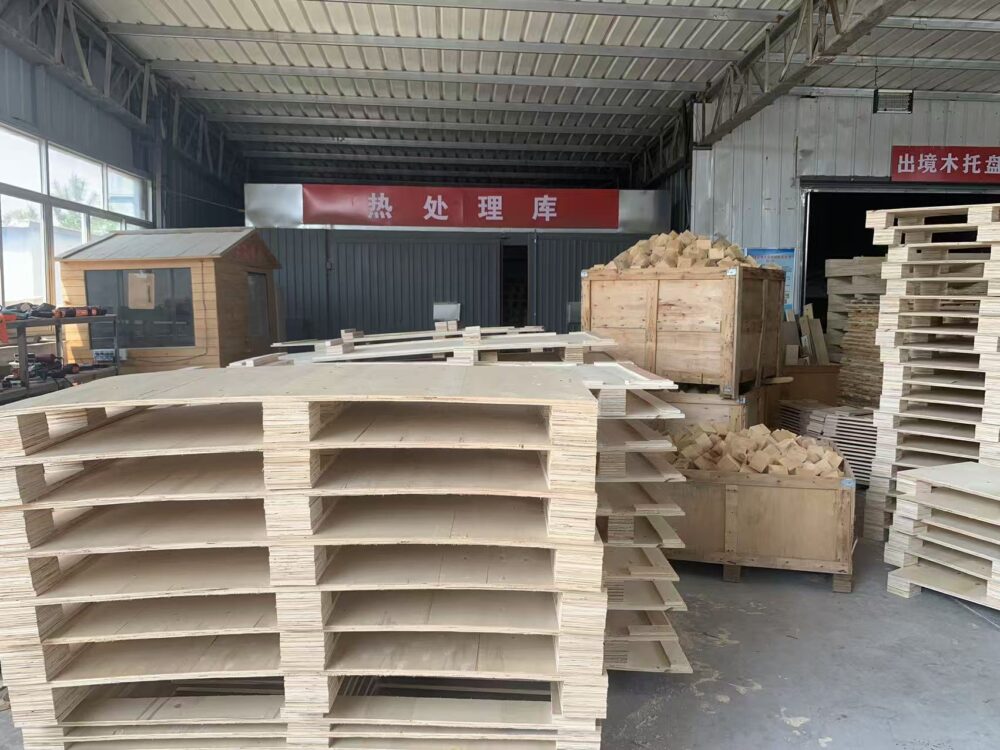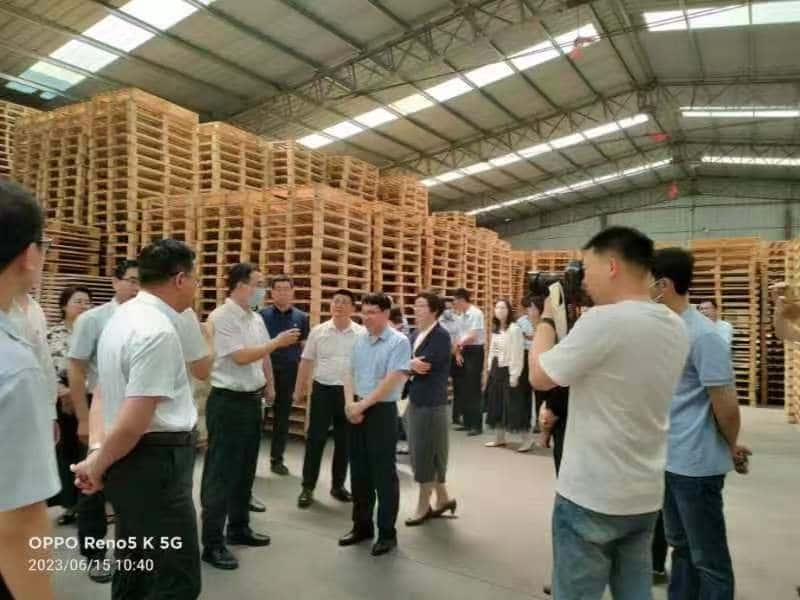
Export wooden packaging represents a significant line item in international logistics budgets, often accounting for 3–8% of total product cost depending on the industry and product value. With profit margins under pressure across manufacturing sectors, optimizing wooden packaging costs without compromising quality or compliance has become a strategic priority. This guide presents practical, data-supported strategies for reducing export wooden packaging expenses while maintaining ISPM 15 compliance and product protection standards.
The True Cost Structure of Export Wooden Packaging
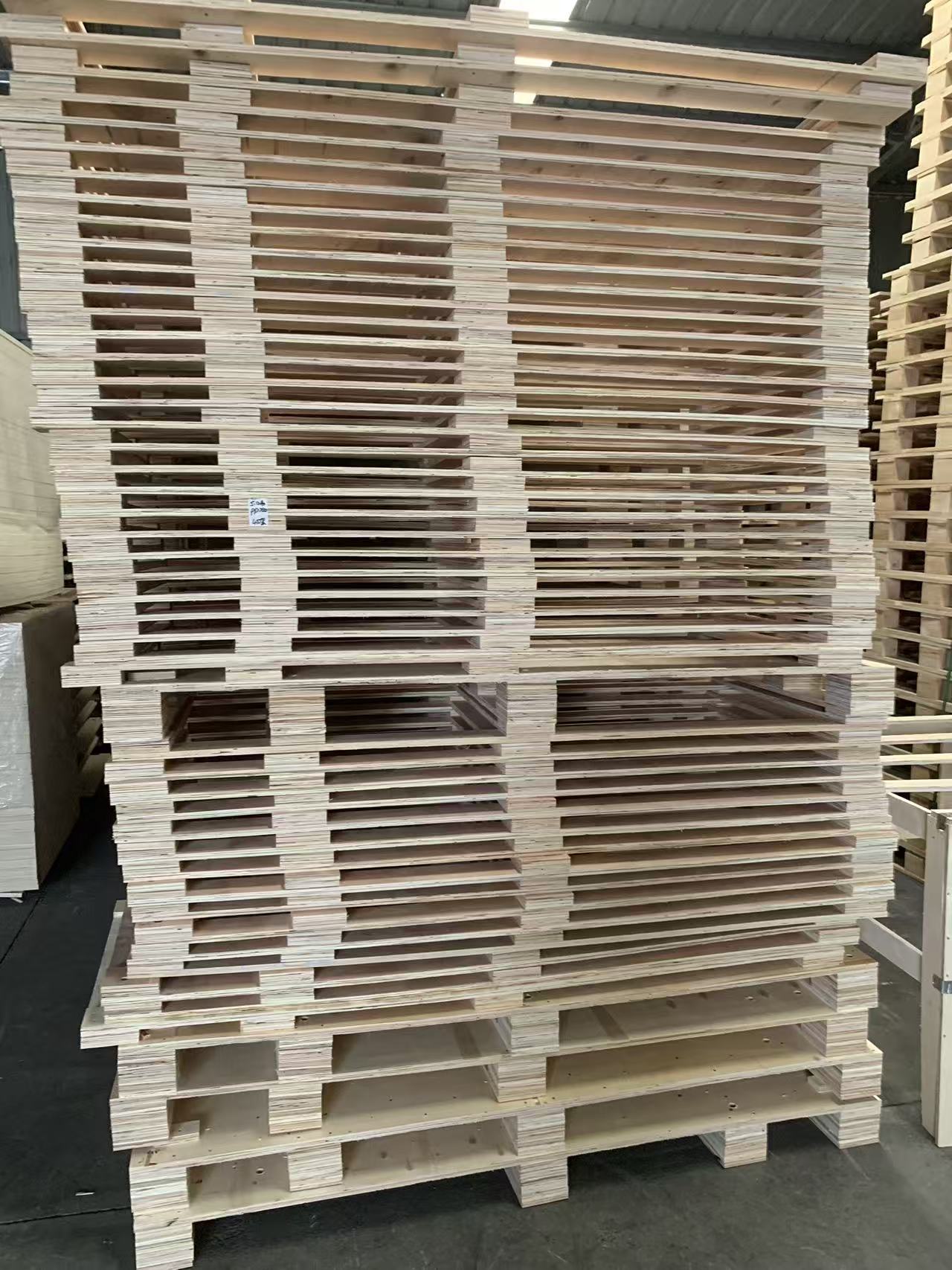
Before implementing cost reduction measures, understanding what you’re actually paying for enables targeted optimization. Export wooden packaging costs break down approximately as follows:
- Raw materials (wood): 35–45% of total cost
- Manufacturing labor: 20–30% of total cost
- Treatment and certification: 8–12% of total cost
- Hardware (hinges, latches, handles): 5–10% of total cost
- Design and engineering: 3–8% of total cost (for custom items)
- Logistics and shipping: 5–10% of total cost
This breakdown reveals multiple optimization opportunities at different stages of the supply chain.
Strategy 1: Standardization Where Possible
Custom designs solve specific problems, but customization carries premium costs. Standardized packaging solutions leverage economies of scale that custom manufacturing cannot match.
When Standardization Works
Products with dimensions fitting standard grid systems benefit immediately. If your products align with EUR pallet dimensions (1200mm × 800mm) or standard crate sizes, specify standard formats. Manufacturing costs for standard items run 20–40% lower than equivalent custom designs due to:
- Optimized cutting patterns reducing wood waste
- Repeated production runs enabling process efficiency
- Inventory availability eliminating lead time costs
- Simplified quality control reducing inspection overhead
Standardization Limitations
Standardization only works when standard dimensions accommodate your products. Forging fit to match standard sizes risks either inadequate protection (undersized packaging) or wasted material (oversized packaging). Conduct thorough analysis before forcing products into standard formats.
Strategy 2: Dimension Optimization
Shipping costs multiply with volume. Every centimeter of unnecessary packaging translates directly into increased freight expenses.
Cubic Efficiency Calculation
Measure your package cubic efficiency using the formula:
Cubic Efficiency = Product Volume / Package Volume
Target efficiencies above 65–70% for efficient packaging. Efficiencies below 50% indicate significant room for dimension optimization.
Internal vs. External Dimensions
Specify internal clearance requirements accurately. Common over-specification includes:
- Adding 50–100mm clearance where 20–30mm suffices
- Allowing for worst-case product variation rather than nominal dimensions
- Neglecting to account for corner radius differences between CAD models and physical products
Dimensional Weight Impact
Ocean freight carriers calculate charges based on either actual weight or dimensional weight (length × width × height ÷ DIM factor), whichever is greater. A 10% reduction in external dimensions might reduce dimensional weight by 15–20% depending on the original shape, potentially shifting you to actual weight billing.
Strategy 3: Wood Grade Optimization
Selecting appropriate wood grades for specific applications eliminates overspending on material quality.
Understanding Wood Grade Specifications
Wood grades vary by:
- Species (hardwood vs. softwood, regional availability)
- Visual defects (knots, splits, wane)
- Structural properties (bending strength, compressive strength)
- Treatment requirements
Grade-to-Application Matching
Not all applications require premium grades. Internal packaging components not visible after assembly can use lower grades than external panels. Structural members carrying loads require higher grades than non-structural bracing.
Work with your manufacturer to identify where high-grade materials are essential and where standard grades suffice. This optimization typically saves 8–15% on material costs for mixed-grade specifications.
Heat-Treated vs. Kiln-Dried Considerations
ISPM 15 requires heat treatment (minimum 56°C core temperature for 30 minutes), which also reduces moisture content. However, some applications benefit from additional kiln drying beyond ISPM requirements, while others do not. Specify only the treatment level your products actually require.
Strategy 4: Batch Ordering and Inventory Programs
Manufacturing economics favor volume. Individual orders carry setup costs that spread across larger quantities.
Minimum Order Quantity Optimization
Most manufacturers offer tiered pricing based on order size:
| Order Size | Typical Price Adjustment |
|---|---|
| Individual | Baseline (100%) |
| 10–25 units | 5–10% reduction |
| 26–50 units | 12–18% reduction |
| 51–100 units | 18–25% reduction |
| 100+ units | 25–35% reduction |
Analyze your consumption patterns to identify opportunities for consolidation. Moving from individual orders to quarterly batches might reduce unit costs by 15–25%.
Vendor-Managed Inventory (VMI)
For high-volume applications, consider VMI arrangements where manufacturers maintain inventory at your facility or nearby warehouses. While VMI involves carrying costs, it eliminates emergency expedite fees and ensures availability during peak seasons.
Strategy 5: Design for Assembly and Disassembly
Reusable and knockdown designs carry higher initial costs but generate savings through multiple use cycles.
Foldable Steel-Strapped Crates
Steel-strapped crates offer distinct advantages for returnable applications:
- Flat-pack shipping reduces return logistics costs by 60–80%
- Tool-free assembly reduces labor costs at destination
- Reusable hardware investment spreads across multiple cycles
- Standardized components enable rapid replacement of damaged sections
Calculate total cost of ownership (TCO) rather than unit price when evaluating foldable designs. A foldable crate costing twice as much as a disposable alternative may deliver lower TCO after three use cycles.
Modular Packaging Systems
Interlocking modular systems enable reconfiguration for different products, reducing the total number of unique packaging items required. A modular approach might handle 5–8 different products with 3–4 base components plus product-specific inserts, versus 5–8 complete custom designs.
Strategy 6: Regional and Source Optimization
Where you buy affects what you pay.
Local vs. International Sourcing
Lumber costs vary significantly by region due to species availability, transport distances, and market conditions. However, total cost analysis must include:
- Unit price differences
- Shipping costs to your location
- Lead time impacts on inventory costs
- Quality consistency differences
- Communication and relationship management costs
For many Asian manufacturers, shipping wood raw materials from North American or European sources may not make economic sense. However, finished goods shipping from manufacturing centers like China often beats local production costs despite longer transit times.
Port Proximity Advantages
Manufacturing facilities located near ports reduce drayage costs and transit times. When evaluating suppliers, consider whether proximity savings outweigh any price advantages of distant manufacturers.
Strategy 7: Long-Term Supplier Relationships
Transactional purchasing misses value available through partnership approaches.
Volume Commitment Benefits
Suppliers offered volume commitments respond with:
- Price stability protecting against market fluctuations
- Priority production scheduling during capacity constraints
- Extended payment terms improving cash flow
- Joint engineering efforts for packaging optimization
Collaborative Engineering
Long-term relationships enable collaborative packaging engineering. Your supplier’s experience across multiple customers and applications provides insights you might not access through transactional purchasing.
Manufacturers like Rizhao Echon Wood Products Co.,Ltd, with their IPPC certification (CN-42204 HT), can contribute engineering expertise to optimize your packaging designs, potentially identifying savings you hadn’t considered.
Strategy 8: Compliance as Cost Avoidance
Non-compliance costs far exceed compliance costs. This fundamental principle should drive ISPM 15 adherence.
Cost of Non-Compliance
ISPM 15 violations at destination ports result in:
- Re-exportation: Shipping non-compliant packaging back to origin at your expense, plus origin re-treatment costs. Typical total cost: $2,000–$10,000 per incident depending on shipment size.
- On-site treatment: Methyl bromide fumigation at destination (increasingly restricted or banned in many countries), costing $500–$2,000 plus demurrage charges of $100–$500 per day.
- Destruction: Waste disposal fees plus product losses if packaging cannot be separated without damage.
- Delayed shipments: Demurrage, detention, and missed production schedules create cascading costs exceeding direct penalties.
Prevention Economics
IPPC-compliant heat treatment typically adds 3–8% to packaging costs. This incremental expense versus potential non-compliance costs (often 10–50× treatment costs for a single incident) demonstrates the economic case for compliance.
Certification Verification
Verify supplier certifications actively. Request current certificates, cross-reference with IPPC registries, and conduct periodic audits. Non-certified suppliers offering “ISPM 15 equivalent” treatments create liability exposure that their lower prices never justify.
Strategy 9: Logistics Cost Integration
Packaging decisions affect logistics costs beyond the packaging invoice itself.
Freight Optimization
Reducing packaging dimensions decreases:
- Ocean freight charges (per cubic meter)
- Air freight charges (per chargeable weight)
- Truckload/container utilization inefficiencies
- Handling fees at origin and destination ports
Warehouse Optimization
Efficient packaging dimensions improve warehouse storage density, potentially reducing per-unit storage costs. Standardized dimensions enable rack storage that maximizes cubic utilization.
Damage Reduction
Quality packaging reducing product damage delivers cost savings beyond replacement costs. Damage claims affect insurance premiums, customer relationships, and potentially future business.
Implementation Roadmap
Related: MOQ considerations
Related: weight capacity
Related: pallet comparison
Systematic cost reduction requires coordinated effort:
Phase 1: Baseline Analysis (2–4 weeks)
– Document current packaging specifications
– Track all packaging-related costs
– Identify compliance status and risks
Phase 2: Quick Wins (4–8 weeks)
– Address obvious overspecification
– Consolidate small orders
– Verify supplier certifications
Phase 3: Design Optimization (8–16 weeks)
– Engage engineering review of complex designs
– Evaluate modular and reusable alternatives
– Negotiate volume commitments
Phase 4: Continuous Improvement (ongoing)
– Monitor cost and quality metrics
– Review supplier performance
– Update specifications as product designs evolve
Reducing export wooden packaging costs requires balancing multiple factors: material selection, design efficiency, supplier relationships, compliance assurance, and logistics integration. The strategies presented here offer genuine savings when implemented systematically. Focus on total cost of ownership rather than unit price, maintain compliance as a non-negotiable requirement, and cultivate supplier relationships that enable collaborative optimization.
For IPPC-certified wood packaging solutions that balance quality and cost,
contact Rizhao Echon Wood Products Co.,Ltd at
jason@easywoodpack.com or visit www.easywoodpack.com