When shipping products internationally, the choice of pallet material isn’t just a logistical decision—it’s a compliance issue, a cost factor, and often an environmental statement. For decades, wooden pallets have dominated export logistics, but plastic pallets are gaining ground in certain sectors. So which option truly serves your export needs better?
This article breaks down the critical differences between wooden and plastic pallets across cost, compliance, durability, and sustainability to help you make an informed decision for your international shipments.
The Cost Factor: Wooden Pallets Offer 3-5x Savings

Initial Cost Comparison
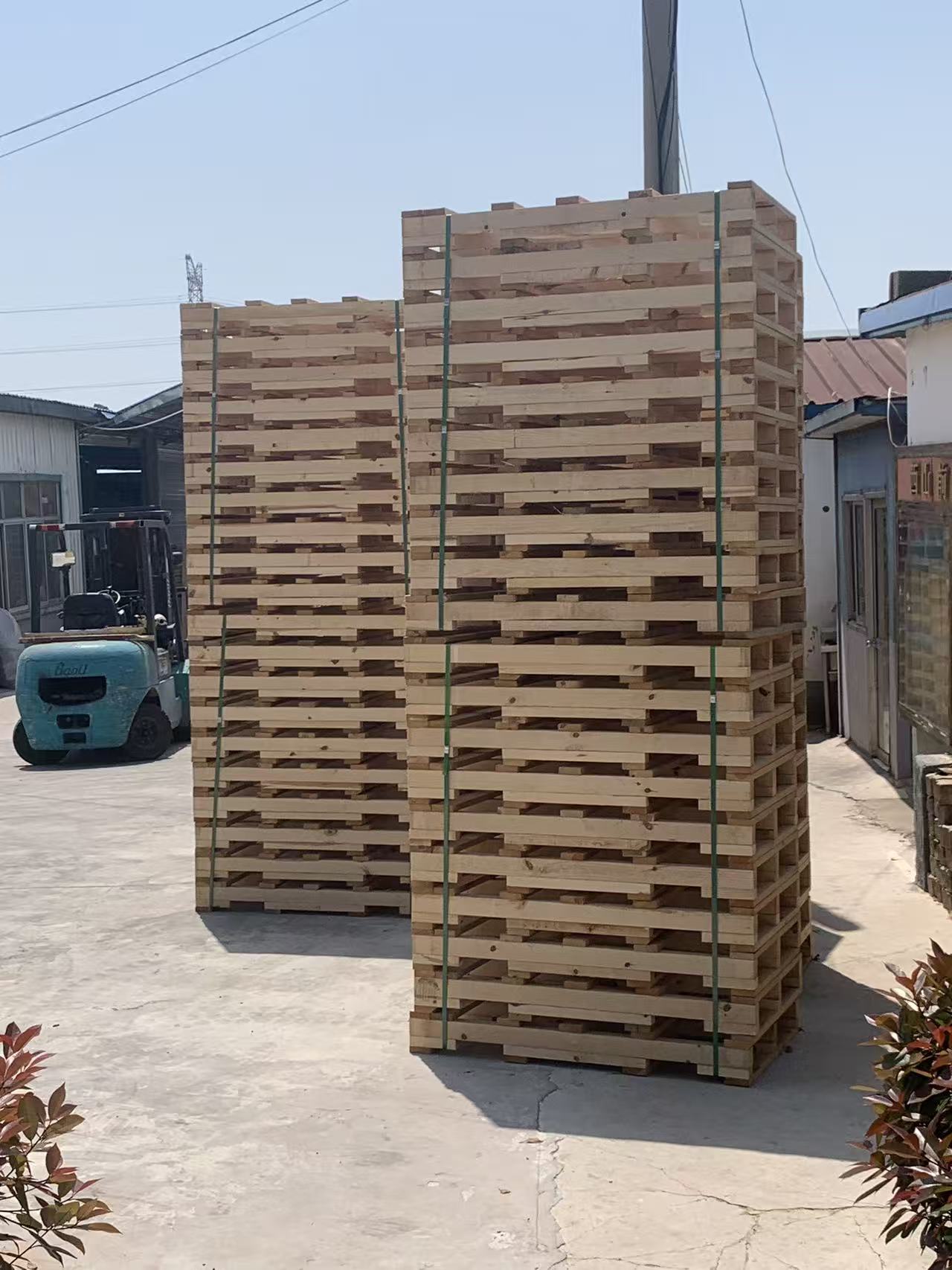
Wooden pallets consistently outperform plastic pallets on price. A standard export wooden pallet typically costs between $5-$15 USD, while comparable plastic pallets range from $25-$75 USD depending on specifications. For high-volume exporters shipping thousands of units monthly, this cost differential translates to significant savings.
| Pallet Type | Entry-Level Cost | Heavy-Duty Cost | Expected Lifespan |
|---|---|---|---|
| Wood (Softwood) | $5-$12 | $15-$30 | 3-5 trips (export), repairable |
| Wood (Hardwood) | $10-$20 | $25-$45 | 5-8 trips (export), repairable |
| Plastic (Standard) | $25-$40 | $50-$75 | 100+ trips, non-repairable |
Total Cost of Ownership
While plastic pallets offer longer service lives, the math often favors wood in export scenarios. Wooden pallets are designed for one-way international use—they’re lighter (reducing shipping costs), inexpensive enough to treat as disposable, and can be repaired or recycled domestically after their export journey ends.
Weight and Shipping Cost Implications
The weight of your pallet directly impacts your shipping expenses, particularly in air freight and ocean freight cost calculations.
- Standard wooden pallet weight: 15-25 kg (33-55 lbs)
- Plastic pallet weight: 8-15 kg (18-33 lbs) for standard models
- Heavy-duty plastic pallets: Can exceed 25 kg (55 lbs)
For ocean freight, where costs are calculated by volume rather than weight, the difference is less significant. However, for air freight, every kilogram counts. Plastic pallets’ lighter weight can reduce air shipping costs by 2-5%, though the higher initial investment often negates these savings.
ISPM 15 Compliance: The Decisive Factor for Export
Wooden Pallets and ISPM 15 Requirements
Under ISPM 15 (International Standards for Phytosanitary Measures No. 15), wooden packaging materials entering international trade must undergo approved phytosanitary treatments to prevent the spread of invasive pests. This regulation applies to all solid wood pallets, crates, and dunnage.
Approved ISPM 15 treatments include:
– Heat Treatment (HT): Core temperature of 56°C (133°F) for a minimum of 30 consecutive minutes
– Heat Treatment with dielectric heating: Alternative method achieving same temperature requirements
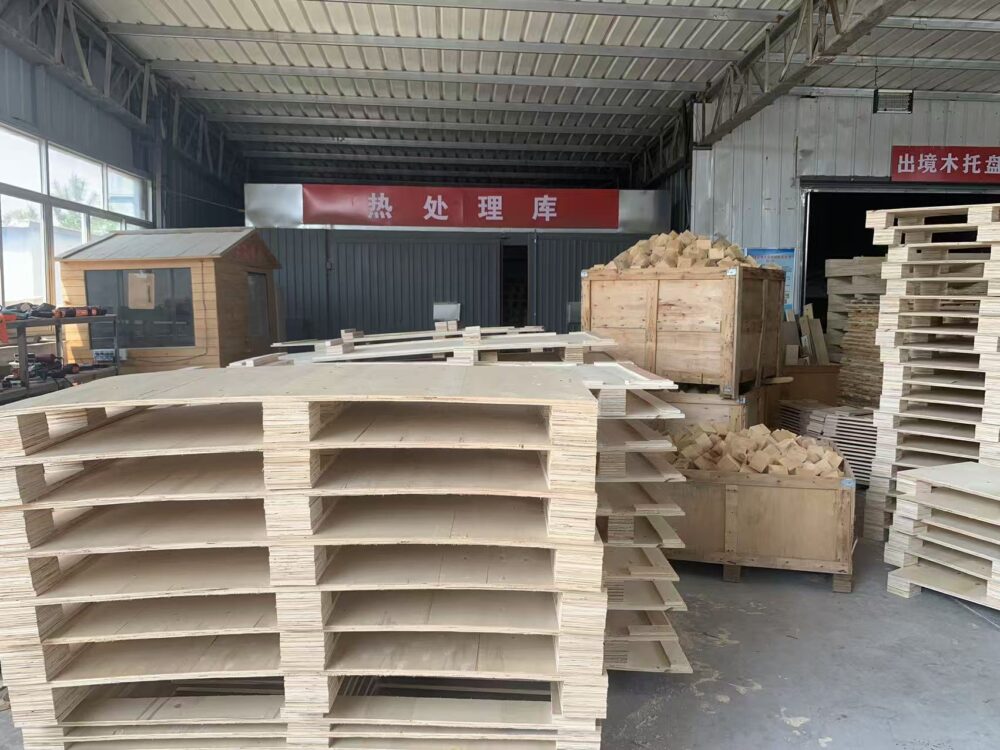
Wooden pallets from certified manufacturers like Rizhao Echon Wood Products Co.,Ltd (IPPC Certification: CN-42204 HT) bear the official IPPC mark, indicating compliance with international standards.
Plastic Pallets and ISPM 15 Exemption
Here’s the key distinction: plastic pallets are exempt from ISPM 15 requirements because they cannot harbor wood-boring pests. This creates a perceived advantage—but the exemption comes with limitations:
- Not universal exemption: Some countries still require documentation or have specific regulations
- Material composition matters: Pallets made with wood fiber components may still trigger ISPM 15 requirements
- Documentation burden: While treatment isn’t required, some customs officials still inspect plastic pallets for pest contamination
The exemption makes plastic pallets administratively simpler in some scenarios, but doesn’t eliminate compliance considerations entirely.
Environmental Considerations: Wood’s Renewable Advantage
Wooden Pallets: A Sustainable Choice
Environmental factors increasingly influence purchasing decisions in global markets. Wooden pallets score well on multiple sustainability metrics:
- Renewability: Wood comes from sustainably managed forests with replanting programs
- Repairability: Damaged wooden pallets can be repaired and refurbished
- Recyclability: End-of-life wooden pallets convert to mulch, biomass fuel, or composite materials
- Carbon footprint: Wood pallets store carbon absorbed during tree growth
- Biodegradability: Unlike plastic, wood naturally decomposes without persistent pollution
Plastic Pallets: Durability with Environmental Trade-offs
Plastic pallets offer extended service lives but present recycling challenges:
– Only 20-30% of plastic pallets are recycled after end-of-life
– Mixed plastic types complicate recycling processes
– Plastic pollution persists for centuries in landfills
– Production requires petroleum-based raw materials
For companies with strong ESG (Environmental, Social, Governance) commitments, wooden pallets often align better with sustainability reporting frameworks.
Industry Preferences: When Sectors Choose Wood
Heavy Industries Prefer Wooden Pallets
Sectors handling heavy machinery, industrial equipment, and raw materials overwhelmingly favor wooden pallets:
- Machinery manufacturing: Wood pallets accommodate custom dimensions and heavy loads exceeding 2,000 kg
- Steel and metal industries: Wooden pallets resist sparks and heat better than plastic alternatives
- Automotive parts: Standardized wood pallets work with existing racking systems
- Agricultural exports: Breathable wood prevents moisture buildup in produce shipments
When Plastic Makes Sense
Plastic pallets find their niche in specific applications:
- Pharmaceutical distribution: Non-porous surfaces prevent contamination and are easily sanitized
- Food processing: Smooth surfaces meet strict hygiene standards
- Clean room environments: No particle shedding compared to wood
- Closed-loop logistics: When pallets are repeatedly returned to same facility
Transportation Mode Considerations
Ocean Freight: Wood Dominates
Containerized shipping overwhelmingly uses wooden pallets due to:
- Lower per-trip cost
- Adequate durability for sea voyages
- Easier handling with standard equipment
- Accepted at all global ports
Air Freight: Weight Considerations
Air freight incentivizes lighter pallets, giving plastic a marginal advantage. However, most air freight shipments use unit load devices (ULDs) that minimize direct pallet-to-cargo contact.
Rail and Truck Transport: Mixed Usage
Domestic land transport shows varied preferences. Closed-loop systems (retail distribution) often use plastic for durability, while export-oriented land transport favors wood for cost efficiency.
The Verdict: Wooden Pallets Remain the Export Standard
For the majority of international shipping scenarios, wooden pallets remain the superior choice. Here’s why:
- Cost efficiency: 3-5x lower initial cost delivers better ROI for one-way export use
- Universal compliance: IPPC-certified wooden pallets meet ISPM 15 requirements at every international destination
- Customization: Wood accommodates any dimension, weight, or configuration requirement
- Sustainability credentials: Renewable, repairable, and recyclable
- Industry infrastructure: Standard sizing, repair networks, and disposal systems already exist
Plastic pallets serve valuable purposes in specific sectors—pharmaceutical, food processing, and closed-loop domestic systems—but for general export applications, wooden pallets provide the best balance of cost, compliance, and capability.
Expert Recommendations
Related: reduce packaging costs
Related: pallet weight capacity
Related: solid vs engineered wood pallets
For first-time exporters:
Start with ISPM 15-compliant wooden pallets from a certified manufacturer. Verify the IPPC mark includes the country code, producer number, and treatment method (HT).
For high-volume exporters:
Establish relationships with wooden pallet suppliers offering volume discounts. Consider heat-treated pallet programs that track and certify your packaging inventory.
For mixed compliance needs:
Some shipments may benefit from plastic pallets—particularly those moving between facilities with strict hygiene requirements. However, maintain wooden pallet availability for ISPM 15-regulated international routes.
Ready to source compliant wooden pallets for your export operations?
For IPPC-certified wood packaging solutions, contact Rizhao Echon Wood Products Co.,Ltd at jason@easywoodpack.com or visit www.easywoodpack.com