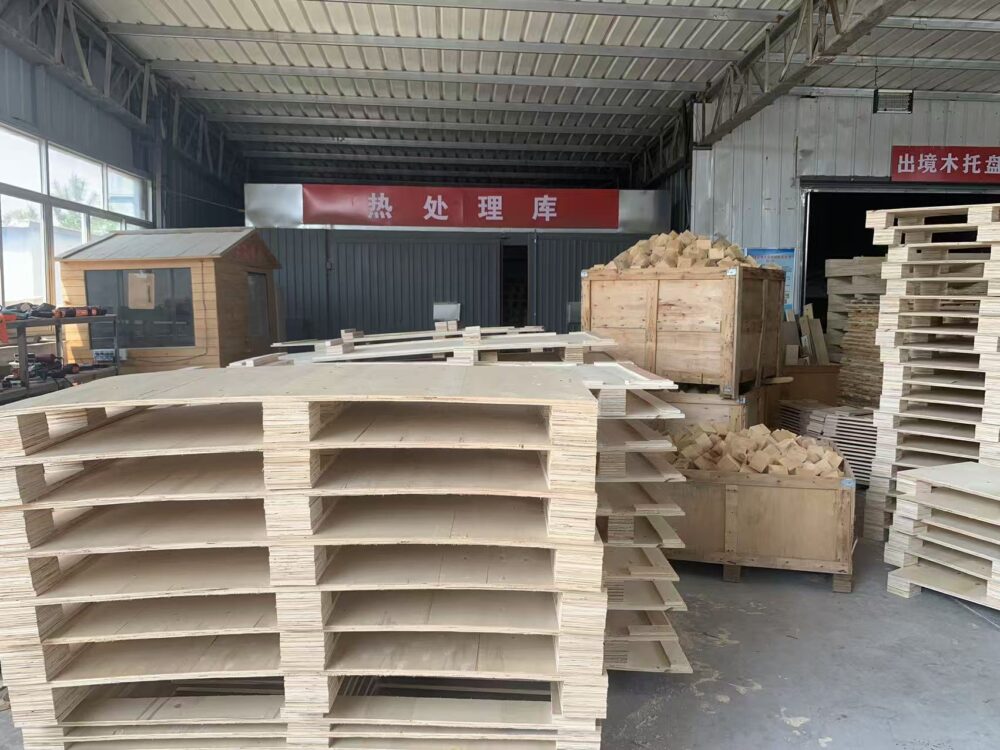
The world of export pallets isn’t as simple as “wood or plastic.” Even within the wooden pallet category, exporters face another critical decision: solid wood or engineered wood. This choice impacts your ISPM 15 compliance obligations, budget, cargo protection capabilities, and which markets you can access.
Understanding the fundamental differences between these two materials will help you select the right pallet for each shipment—potentially saving thousands in compliance penalties and logistics costs.
What Defines Solid Wood vs Engineered Wood Pallets
Solid Wood Pallets
Solid wood pallets are constructed from lumber cut directly from logs. Key characteristics include:
- Genuine lumber boards: Individual wooden pieces joined through nails or screws
- Visible wood grain: Natural texture and color variations
- Species variety: Typically pine, oak, or other regional hardwoods
- Traditional construction: Block or stringer designs using full-size wood members
Engineered Wood Pallets
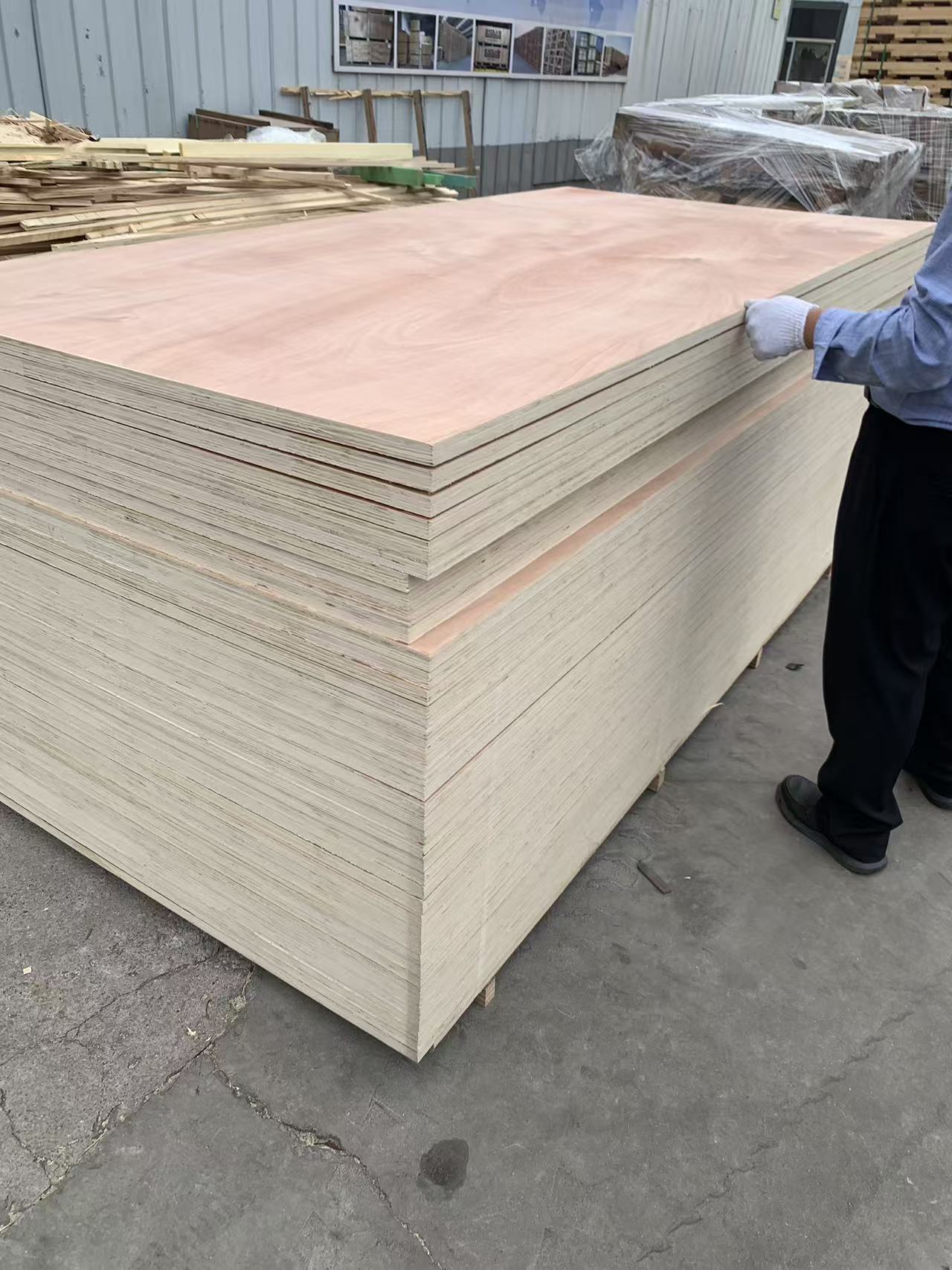
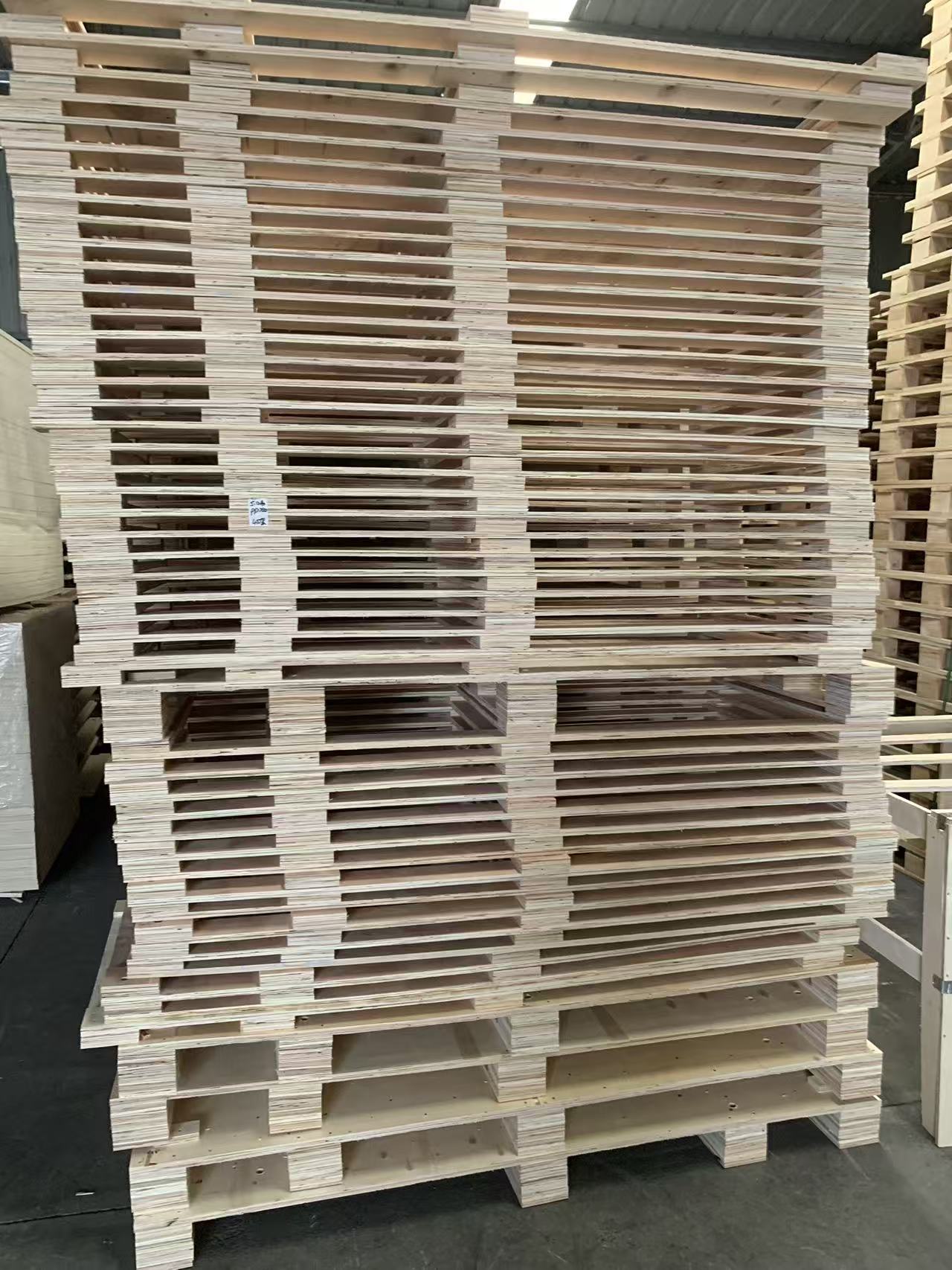
Engineered wood pallets use composite materials manufactured from wood products:
- Plywood: Thin wood layers bonded with adhesive under pressure
- OSB (Oriented Strand Board): Compressed wood strands with adhesive
- Particleboard: Compressed wood particles and adhesive
- MDO (Medium Density Overlay): Paper-faced engineered panels
ISPM 15 Compliance: The Critical Distinction
Solid Wood Pallets: Full ISPM 15 Requirements
Under ISPM 15 regulations, solid wood pallets entering international trade must undergo approved phytosanitary treatment. This applies because solid wood can harbor bark beetles, wood borers, and other pests that threaten global ecosystems.
ISPM 15 requirements for solid wood pallets:
– Heat treatment (HT) at core temperature of 56°C (133°F) for 30 minutes minimum
– Marking with IPPC stamp including country code, producer number (e.g., CN-42204 HT), and treatment method
– Documentation proving treatment and compliance
Failure to comply results in cargo rejection, treatment at the destination (at shipper’s expense), or destruction.
Engineered Wood Pallets: ISPM 15 Exemption
Here’s the regulatory advantage of engineered wood: manufactured wood products are generally exempt from ISPM 15 requirements. This exemption exists because the production process—specifically the high temperature and pressure of panel manufacturing—eliminates pests and pathogens.
ISPM 15 exemption conditions for engineered wood:
– Manufacturing temperatures exceed 60°C (140°F) during production
– Adhesive bonding creates conditions unsuitable for pest survival
– No bark or unprocessed wood components included
This exemption makes engineered wood pallets attractive for shipments to markets with strict phytosanitary controls.
Strength and Load Capacity Comparison
Solid Wood: Superior for Heavy Loads
Solid wood pallets excel in load-bearing applications:
- Dynamic load capacity: 500-3,000 kg (1,100-6,600 lbs)
- Static load capacity: Up to 4,500 kg (10,000 lbs) for heavy-duty models
- Structural integrity: Full-length wood fibers provide maximum strength
- Customization: Can be reinforced, notched, or modified for specific applications
Heavy industries—machinery, steel, automotive parts—routinely specify solid wood pallets for loads exceeding 1,500 kg.
Engineered Wood: Moderate Capacity with Limitations
Engineered wood pallets offer adequate strength for many applications:
- Dynamic load capacity: 300-1,200 kg (660-2,640 lbs)
- Static load capacity: Up to 2,000 kg (4,400 lbs)
- Consistent performance: Uniform density eliminates weak points
- Size stability: Less prone to warping or dimensional changes
Engineered wood struggles with concentrated point loads. Heavy machinery components with small contact areas may cause panel failure.
Weight Considerations for Shipping Costs
| Pallet Type | Average Weight | Weight Savings vs Solid Wood |
|---|---|---|
| Solid Wood (Standard) | 18-25 kg | Baseline |
| Solid Wood (Heavy-Duty) | 25-40 kg | Baseline |
| Plywood | 12-18 kg | 15-35% lighter |
| OSB | 14-20 kg | 10-25% lighter |
Weight reduction translates directly to shipping cost savings, particularly for air freight. A 30% weight reduction across 1,000 pallets could save significant freight expenses—but must be weighed against strength requirements.
Durability and Service Life
Solid Wood Pallets
- Export lifespan: 3-5 one-way international trips (or repairable for extended domestic use)
- Damage modes: Splintering, splitting, nail pops, moisture damage
- Repairability: Severely damaged pallets can often be repaired
- Moisture sensitivity: Can absorb water, leading to mold or structural degradation
Engineered Wood Pallets
- Export lifespan: 1-3 one-way international trips (limited reuse)
- Damage modes: Delamination, edge chipping, moisture infiltration
- Repairability: Difficult or impossible to repair
- Moisture sensitivity: Edges and joints are vulnerable to water damage
European Market Preferences
European Union ISPM 15 Enforcement
The European Union enforces ISPM 15 rigorously through:
– Regulation (EU) 2016/2031: Plant health regulation implementing ISPM 15
– Port inspections: Random sampling of wood packaging materials
– Non-compliance penalties: Treatment at border, re-export, or destruction
Why European Importers Often Prefer Solid Wood
European markets show mixed but notable preferences:
- Familiarity: Solid wood pallets have decades of established logistics protocols
- Repair infrastructure: European pallet pools and repair networks support solid wood
- Strength requirements: Heavy industrial machinery exports to Europe often require solid wood
- Regulatory clarity: ISPM 15 compliance is straightforward and universally recognized
When Engineered Wood Works in Europe
Engineered wood pallets gain acceptance in Europe for:
- Consumer goods and retail products
- Electronics and lightweight machinery
- Shipments within established closed-loop systems
- Applications where ISPM 15 exemption documentation provides logistics advantages
Cost Analysis
Initial Purchase Price
| Pallet Type | Standard Size Cost | Custom Size Cost |
|---|---|---|
| Solid Wood (Softwood) | $8-$15 | $15-$35 |
| Solid Wood (Hardwood) | $15-$25 | $30-$50 |
| Plywood | $18-$30 | $35-$55 |
| OSB | $15-$25 | $30-$45 |
Hidden Cost Considerations
Solid wood costs:
– ISPM 15 treatment fees: $2-$5 per pallet
– Potential repair costs for damaged units
– Higher disposal costs if not recycled
Engineered wood costs:
– No treatment fees (ISPM 15 exempt)
– Limited repair options
– Difficult recycling—often sent to landfill
Making the Right Choice: Decision Framework
Choose Solid Wood Pallets When:
- Shipping heavy machinery or industrial equipment (loads exceeding 1,000 kg)
- Destination requires maximum pallet strength and durability
- Operating in industries with established solid wood logistics protocols
- Needing customization (specific dimensions, notched designs, reinforced corners)
- Budget constraints require cost-efficient solutions
- ISPM 15 compliance documentation is already in place
Choose Engineered Wood Pallets When:
- Shipping lightweight consumer goods or electronics
- Operating in ISPM 15-sensitive markets where exemption provides logistics benefits
- Weight reduction significantly impacts shipping costs
- Pallet will be used in clean environments (pharmaceutical, food processing)
- Consistent, uniform pallet dimensions are critical
- Shipments travel within closed-loop systems
Hybrid Approaches
Sophisticated exporters often maintain both options:
- Solid wood for heavy industrial shipments requiring maximum strength
- Engineered wood for lighter goods where ISPM 15 exemption simplifies logistics
- Mixed loads using smaller engineered wood pallets for lighter cargo items
Compliance Best Practices
For Solid Wood Pallets
- Source from IPPC-certified manufacturers like Rizhao Echon Wood Products Co.,Ltd (Certification: CN-42204 HT)
- Verify the IPPC mark includes: IPPC logo, country code (CN), producer number (42204), and treatment code (HT)
- Request treatment documentation with each shipment
- Inspect incoming pallets to verify marking legibility and structural integrity
- Store pallets properly to maintain compliance—wet or damaged pallets may require retreatment
For Engineered Wood Pallets
- Obtain manufacturer documentation confirming production process meets ISPM 15 exemption criteria
- Verify no bark content in any pallet components
- Check destination country requirements—some countries have additional restrictions beyond ISPM 15
- Document exemption status in case of customs inquiries
- Label clearly to avoid confusion with solid wood pallets
Summary: Matching Pallet to Mission
Related: pallet weight capacity guide
Related: treatment comparison
Related: wooden vs plastic pallets
Both solid wood and engineered wood pallets have legitimate roles in international trade. The decision shouldn’t be ideological—it should be practical, based on your specific cargo requirements, destination markets, and logistics constraints.
For most export applications involving machinery, industrial equipment, or shipments requiring maximum durability, solid wood pallets with proper ISPM 15 certification remain the industry standard. The compliance framework is clear, the cost efficiency is proven, and the infrastructure is universally available.
Engineered wood serves best in specialized applications where weight savings, cleanliness, or ISPM 15 exemption provides measurable advantages.
Need guidance on the right pallet choice for your export shipments?
For IPPC-certified wood packaging solutions, contact Rizhao Echon Wood Products Co.,Ltd at jason@easywoodpack.com or visit www.easywoodpack.com